Few months back, we visited the Kokeizan Eihoji Temple. The temple is located in Tajimi City in Gifu Prefecture.

The Temple was founded in 1313 and belongs to the Nanzen-ji branch of Rinzai Zen Buddhism. The temple, its grounds and several structures on the grounds have been designated National Treasures. At one time the temple complex consisted of about 30 structures but a few remain now.

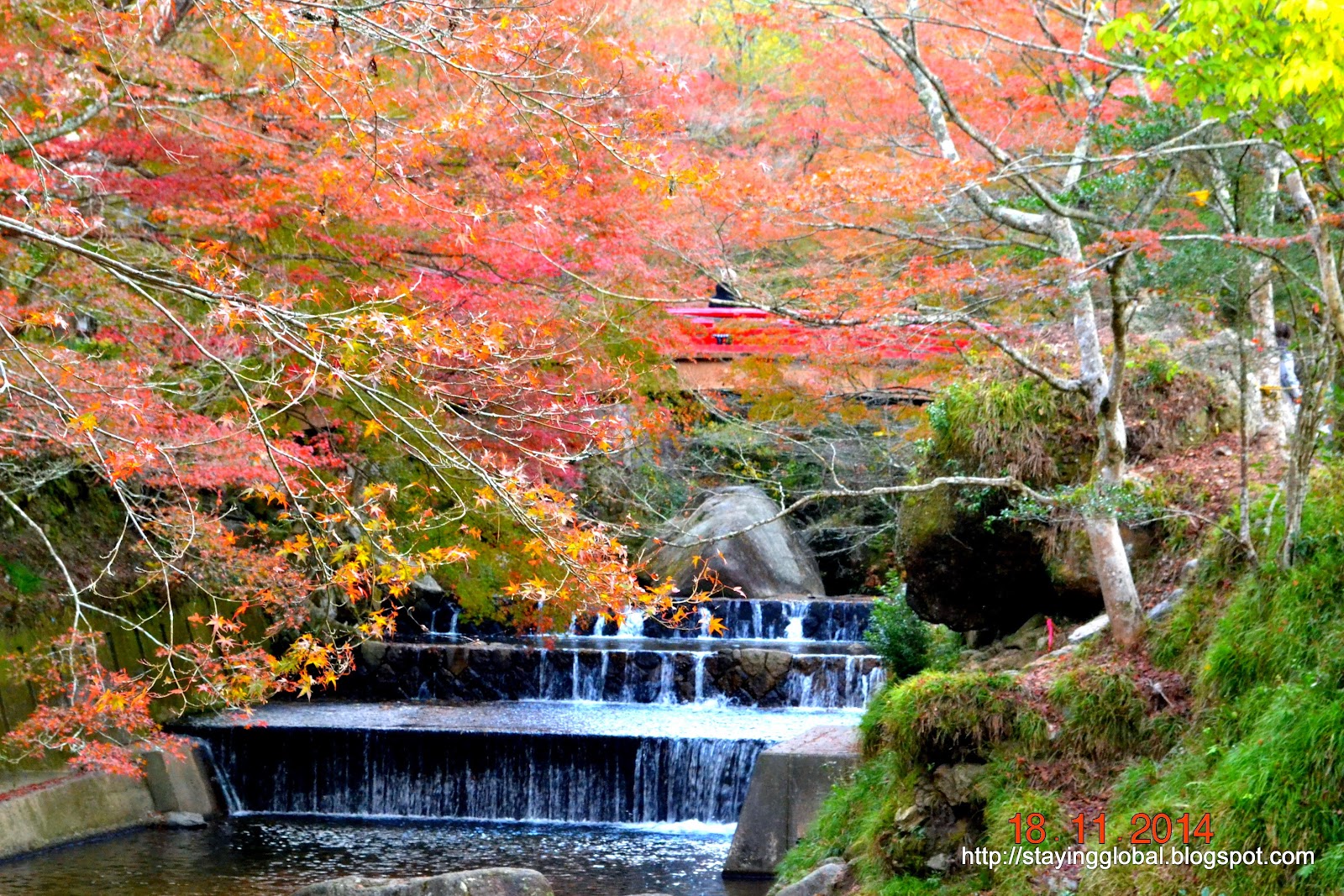
The Zen garden is especially beautiful and include a pond, a bridge and a waterfall.
The buildings are an interesting combination of Chinese and Japanese architecture.
 The main building, the Hondo with its stone lanterns is an impressive sight.

 The original Hondo was destroyed in a fire in the Sengoku Period.
The Musaibashi Bridge is the main attraction of the temple.
 The bridge is built over a pond filled with colorful carp.
 It is believed that crossing the bridge symbolizes travelling to a place of enlightenment.
Once you crossover, you are not supposed to walk back, but walk around it.
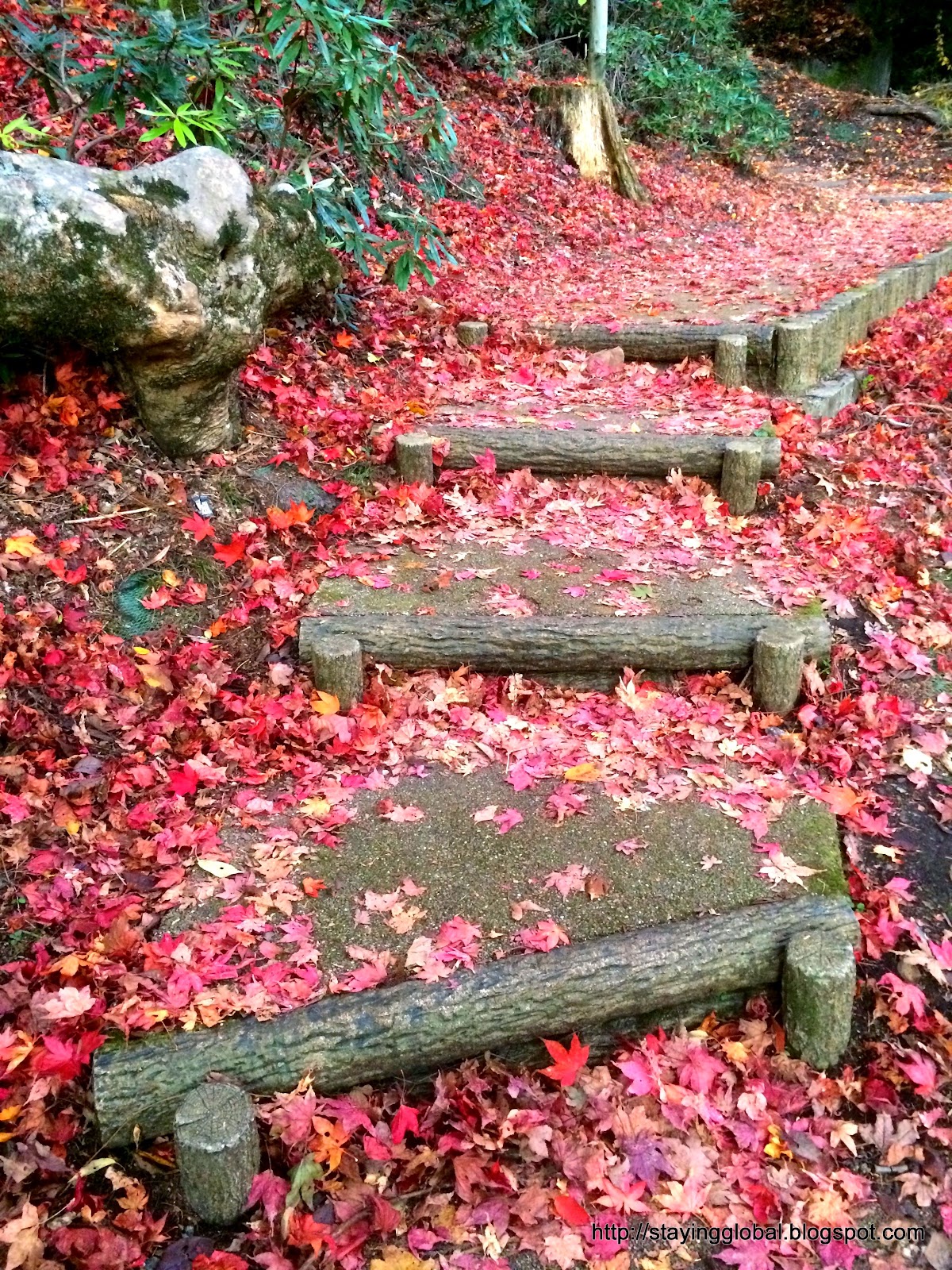
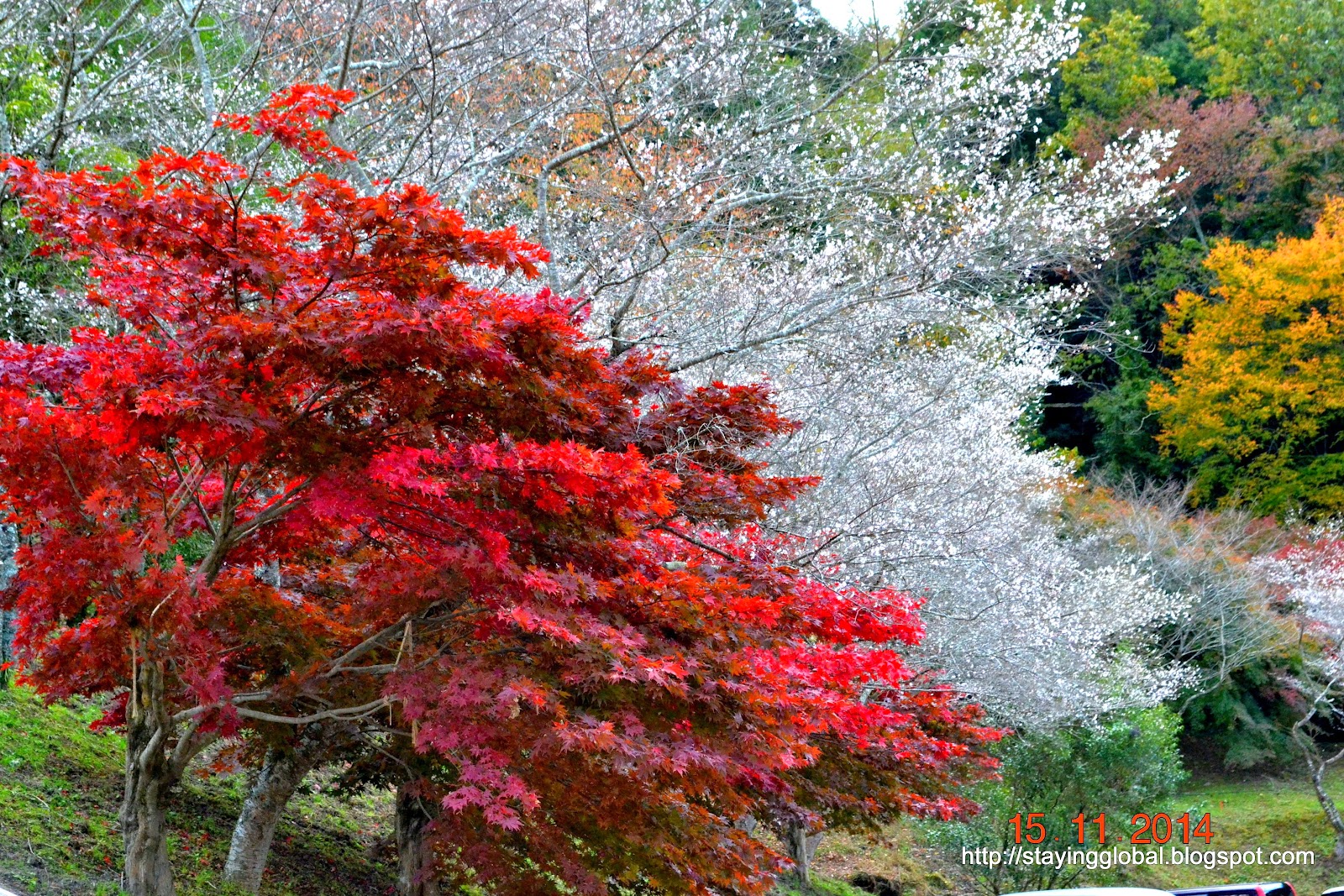
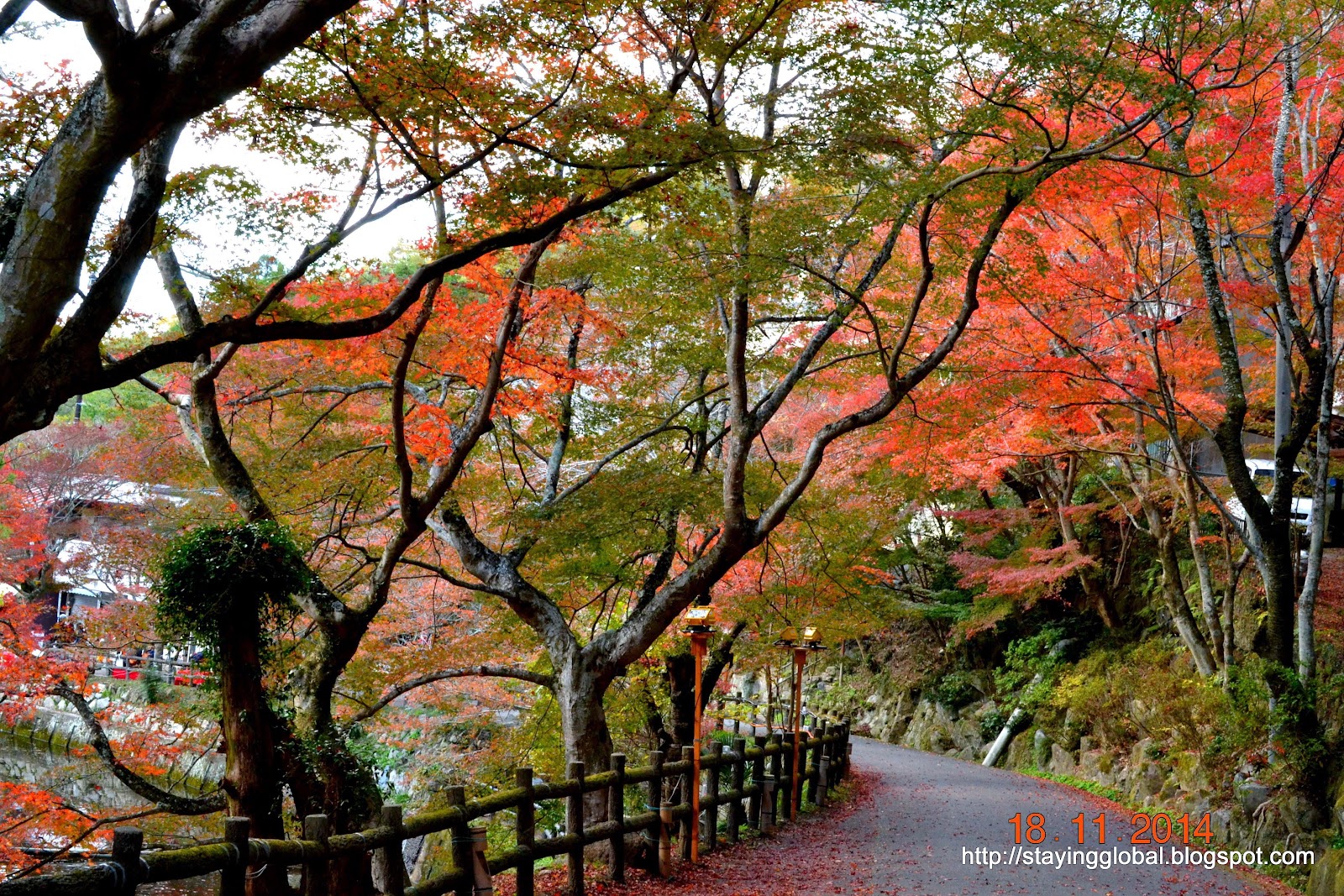
The garden is a popular Momijigari or Autumn Leaf Viewing spot. No wonder the garden is designated as a place of National Scenic Beauty.

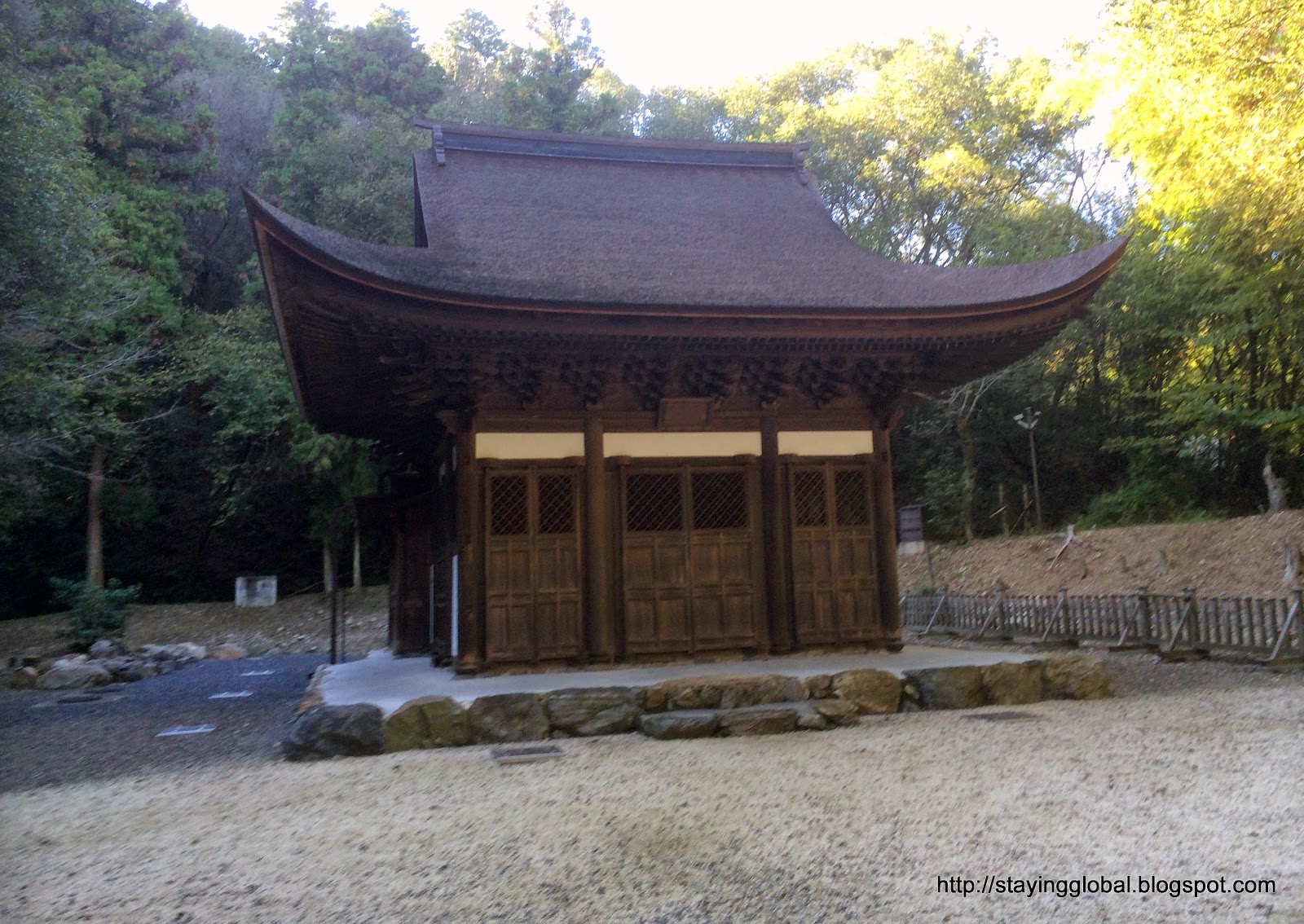
 The Kannon Do hall is located across the Musaibashi Bridge. Kannon Do,one of the National Treasures is famous for its Zen architecture. A statue of Kannon, the Goddess of Mercy is enshrined withn the building.

Kaisan-do, the other National Treasure houses the Kenpon Choshoku Senju Kannonzo, a silk fabric with a rendition of the Thousand Armed Kannon and calligraphy by the founding priests of the Kokeizan Eihoji Temple.
 A 700 year old Gingko tree planted by the founder of the temple stands on the temple grounds.
A wooden pagoda stands at one end of the Garden.

On our way to the Kokeizan Eihoji temple we stopped at the Hojuin Temple.
 The temple is a subsidiary of the Kokeizan Eihoji temple. The vermillion colored gate is impressive.
 It also has a small rock garden.


Few other temples that we passed by on our way to the temple.


Address: Gifu Prefecture, 507-0014, Tajimi Shi, Kokeizan cho 1-40
Phone No: 0572-22-0351
Entrance Fees: Free
Opening Hours: 5:00 am to 5:00 pm
Parking: Free Parking Available near the railway crossing. The temple is a 5-7 minute walk from the parking lot.
Website: Click here (Japanese only)
The Temple was founded in 1313 and belongs to the Nanzen-ji branch of Rinzai Zen Buddhism. The temple, its grounds and several structures on the grounds have been designated National Treasures. At one time the temple complex consisted of about 30 structures but a few remain now.
The Zen garden is especially beautiful and include a pond, a bridge and a waterfall.
The buildings are an interesting combination of Chinese and Japanese architecture.
The Musaibashi Bridge is the main attraction of the temple.
The garden is a popular Momijigari or Autumn Leaf Viewing spot. No wonder the garden is designated as a place of National Scenic Beauty.
Kaisan-do, the other National Treasure houses the Kenpon Choshoku Senju Kannonzo, a silk fabric with a rendition of the Thousand Armed Kannon and calligraphy by the founding priests of the Kokeizan Eihoji Temple.
A wooden pagoda stands at one end of the Garden.
On our way to the Kokeizan Eihoji temple we stopped at the Hojuin Temple.
Few other temples that we passed by on our way to the temple.
Address: Gifu Prefecture, 507-0014, Tajimi Shi, Kokeizan cho 1-40
Phone No: 0572-22-0351
Entrance Fees: Free
Opening Hours: 5:00 am to 5:00 pm
Parking: Free Parking Available near the railway crossing. The temple is a 5-7 minute walk from the parking lot.
Website: Click here (Japanese only)